
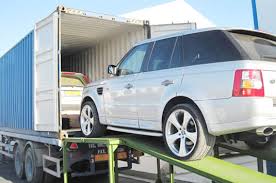
Shipping a vehicle in 2026 is a far cry from the “handshake and a hauler” days of the past. As the automotive logistics industry embraces advanced telematics, shifting fuel economies, and a complex regulatory landscape, understanding what goes into your quote is more important than ever.
Whether you’re relocating for a new career, purchasing a dream car from an out-of-state dealer, or sending a student off to college with the family sedan, the price you pay is determined by a sophisticated blend of logistics data and real-world variables. At Pre-Owned Auto Logistics, we believe that an informed customer is a satisfied customer.
Here is the definitive deep dive into the seven key elements that determine vehicle transport pricing today.
1. The Logistics of Distance and “Lane Density”
While it’s intuitive that a 3,000-mile trip costs more than a 300-mile trip, the total price isn’t the only number that matters. In logistics, we look at “Lane Density”—how many trucks are regularly traveling a specific route.
- Popular Corridors: Routes like Boston to Miami or Los Angeles to Dallas are “high-density lanes.” Because carriers move vehicles along these paths daily, competition is high and rates are often more predictable.
- The Per-Mile Paradox: On longer trips, your cost per mile actually drops. This is because the fixed costs of the carrier—insurance, loading time, and administrative labor—are spread across more miles.
- The “Off-Road” Premium: If you live in a rural area 50 miles from the nearest interstate, the carrier must “deadhead” (drive empty) to reach you. This adds time and fuel costs that aren’t present in major metro pickups.
2. Open vs. Enclosed: Choosing Your Protection Level
Your choice of transport method is often the largest single variable in your quote.
Open Auto Transport
The industry standard. Your vehicle is loaded onto a multi-car trailer, similar to those delivering new cars to dealerships.
- Pros: Most affordable, higher frequency of available trucks, and easier to schedule.
- Cons: Exposed to weather, road debris, and “road grime.”
Enclosed Auto Transport
The “white-glove” service. Your car is housed within a fully shielded trailer.
- Pros: Total protection from the elements, higher insurance limits, and specialized equipment like lift-gates for low-clearance vehicles.
- Cons: Typically costs 40% to 60% more than open transport due to lower trailer capacity (carrying 2–6 cars instead of 9–10).
3. The “Footprint” Factor: Size and Weight
In 2026, vehicles are larger and heavier than ever, particularly with the rise of Electric Vehicles (EVs). Weight and dimensions are critical because carriers must adhere to strict federal Gross Vehicle Weight Rating (GVWR) limits.
- Weight Matters: An EV can weigh 25% to 30% more than its internal combustion counterpart due to battery packs. Heavier cars increase the truck’s fuel consumption and may limit how many other cars can fit on the load.
- Dimensions: A lifted truck or a van with a high roof takes up more vertical or horizontal space. If a vehicle is too tall, it might prevent the carrier from using the “top deck,” effectively taking up two spots on the trailer.
4. Seasonal Fluctuations and the “Snowbird” Effect
Auto transport is a seasonal industry. Prices breathe in and out based on the calendar.
- The Summer Rush: June through August is peak moving season. Demand spikes, and carrier spots become a premium commodity.
- The Snowbird Season: In late autumn, thousands of vehicles move from the Northeast and Midwest toward Florida and the Southwest. Shipping with the crowd is expensive; shipping against the crowd (e.g., Florida to New York in November) can often net you a significant discount.
5. Vehicle Condition: Operable vs. Inoperable
A car that starts, rolls, and steers is a “standard” load. If your vehicle is inoperable, it changes the logistics entirely.
- Special Equipment: Inoperable cars require a winch to be pulled onto the trailer.
- Labor: It often takes two people or significantly more time to safely load a non-running car.
Note: Expect an additional fee of $150 to $300 for inoperable vehicles to cover the extra equipment and labor required.
6. Fuel Markets and Regulatory Costs
While we’ve seen some stabilization in energy markets in 2026, diesel fuel remains a major line item. Most reputable logistics providers use a “fuel surcharge” model that fluctuates with the national average.
Additionally, new 2026 regulations regarding driver “Hours of Service” (HOS) and electronic logging ensure safety but can sometimes extend transit times for long-haul routes. Carriers factor these “compliance costs” into their base rates to ensure they can hire the most experienced, safety-rated drivers.
7. Delivery Windows and Flexibility
If you need your car picked up this Tuesday and delivered by Friday, you are paying for Expedited Service.
- The Flexibility Discount: By providing a 5-to-7-day “window” for pickup, you allow the logistics coordinator to find the carrier that is already passing through your area. This efficiency is passed on to you in the form of a lower rate.
Why “The Cheapest Quote” Can Be the Most Expensive
In the world of vehicle transport, a suspiciously low quote is often a “bait-and-switch.” Some brokers will quote a low price to get your deposit, only to tell you days later that “no carrier will take the job at that rate.”
At Pre-Owned Auto Logistics, we provide transparent, realistic pricing based on current market data and our vetted network of professional carriers. We prioritize the safety of your vehicle and the reliability of our dates over “bargain-basement” pricing that leads to delays.
Ready for a quote that actually holds its value? Get your instant vehicle transport quote or speak with one of our logistics experts to discuss your specific needs. We’ll help you navigate the variables to find the best route for your car and your budget.